Muharram and Ashura: Why This Month Matters and When to Fast

The Islamic year opens with one of its most blessed months. Muharram — literally “the sacred” — is one of the four sacred months mentioned in the Quran: “Indeed, the number of months with Allah is twelve months… of these, four are sacred” (Surah at-Tawbah, 9:36). And within it lies a day whose fast the Prophet ﷺ singled out above all others outside Ramadan.

The virtue of fasting in Muharram

The Prophet ﷺ said: “The best fasting after Ramadan is the month of Allah, Muharram, and the best prayer after the obligatory prayer is the night prayer.” (Sahih Muslim). You do not need to fast the whole month — any voluntary fasts you offer in Muharram carry extra weight, especially the traditional white days (13th, 14th, 15th) and Mondays and Thursdays.

Ashura: the 10th of Muharram

When the Prophet ﷺ arrived in Madinah, he found the Jewish community fasting the 10th of Muharram in gratitude for the day Allah saved Musa (peace be upon him) and the Children of Israel from Pharaoh. He said, “We have more right to Musa than you,” fasted that day, and ordered the Muslims to fast it (al-Bukhari, Muslim).

Its reward is immense for a single day: “Fasting the day of Ashura, I hope, will expiate the sins of the year that came before it.” (Sahih Muslim)

Fasting the 9th and the 10th

Towards the end of his life, the Prophet ﷺ said: “If I live until next year, I will certainly fast the ninth.” (Muslim) — to distinguish the Muslim practice. So the recommended way is to fast both the 9th and 10th of Muharram (or the 10th and 11th if you missed the 9th). This year (1448 AH), Ashura falls in early July 2026 — check your local moon-sighting authority for the exact day in your country.

A new year, a quiet reset

Muharram marks the Hijrah — the Prophet’s ﷺ migration to Madinah, the moment the community began again from almost nothing. There is no prescribed celebration, but the timing invites reflection. A few ideas that fit the spirit of a sacred month:

  • Set one worship goal for the year — not ten. One kept habit beats ten abandoned ones. (Our guide on staying consistent with the five daily prayers is a good place to start.)
  • Clear a debt of missed fasts before other voluntary ones, if you have them.
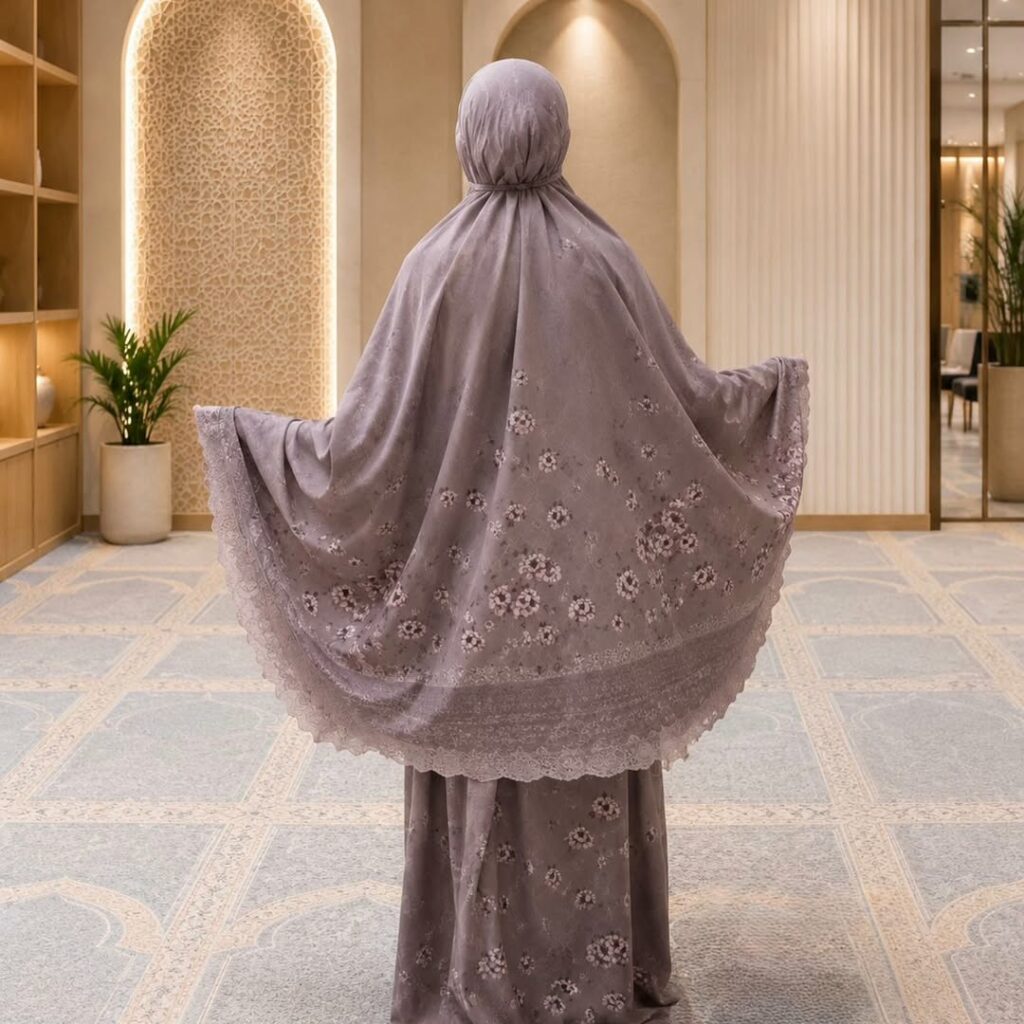
  • Refresh your prayer corner — a clean mat, a Quran within reach, a prayer dress that makes you want to stand a little longer. Small comforts sustain long habits.
  • Give sadaqah in a sacred month, when good deeds are weightier — as sins are also graver.

Practical notes for the fasting day

In the Gulf summer, Ashura is a long, hot fast. Take a proper suhoor with slow carbohydrates and plenty of water, keep the day light, and break your fast on dates and water as the sunnah teaches. If you cannot fast — pregnancy, nursing, illness, menstruation — remember that intention is recorded: occupy the day with dhikr, Quran and charity instead.

May Allah accept your fast and open the year 1448 with mercy for you and your family.

How to Pray Istikhara: The Prayer of Consultation, Step by Step

A job offer in another emirate. A marriage proposal. A business idea you cannot stop thinking about. When a decision is permissible but the right path is unclear, the Prophet ﷺ taught us to turn to Allah directly through Salat al-Istikhara — the prayer of consultation, or guidance-seeking prayer.

The Companion Jabir ibn Abdullah (may Allah be pleased with him) said: “The Messenger of Allah ﷺ used to teach us to seek guidance in all matters, just as he would teach us a surah of the Quran.” (Sahih al-Bukhari). In other words, istikhara is not reserved for life-changing crossroads — it is for all matters, big and small.

What istikhara is (and what it is not)

Istikhara means asking Allah, who knows the unseen, to bring the matter about if it is good for you — and to turn it away if it is not. It is not a way of predicting the future, and it does not require a dream or a special sign. You pray, you ask, and then you proceed with what seems best, trusting that Allah will open or close the doors.

Two conditions before you begin:

  • The matter must be halal. You do not pray istikhara about whether to do something forbidden or to leave something obligatory.
  • You should have done your homework first — gathered information, consulted people of experience (istishara), and formed an inclination. Istikhara comes with effort, not instead of it.

How to pray istikhara, step by step

  1. Make wudu as you would for any prayer.
  2. Pray two rak’ahs of voluntary (non-obligatory) prayer. Any two voluntary rak’ahs count; many scholars recommend making the intention specifically for istikhara. Recite Surah al-Fatiha and any surah you know in each rak’ah.
  3. After the tasleem (closing salam), raise your hands and recite the dua of istikhara, naming your specific matter when you reach the words “this matter”.

The dua of istikhara

اللَّهُمَّ إِنِّي أَسْتَخِيرُكَ بِعِلْمِكَ وَأَسْتَقْدِرُكَ بِقُدْرَتِكَ، وَأَسْأَلُكَ مِنْ فَضْلِكَ الْعَظِيمِ، فَإِنَّكَ تَقْدِرُ وَلَا أَقْدِرُ، وَتَعْلَمُ وَلَا أَعْلَمُ، وَأَنْتَ عَلَّامُ الْغُيُوبِ. اللَّهُمَّ إِنْ كُنْتَ تَعْلَمُ أَنَّ هَذَا الْأَمْرَ خَيْرٌ لِي فِي دِينِي وَمَعَاشِي وَعَاقِبَةِ أَمْرِي فَاقْدُرْهُ لِي وَيَسِّرْهُ لِي ثُمَّ بَارِكْ لِي فِيهِ، وَإِنْ كُنْتَ تَعْلَمُ أَنَّ هَذَا الْأَمْرَ شَرٌّ لِي فِي دِينِي وَمَعَاشِي وَعَاقِبَةِ أَمْرِي فَاصْرِفْهُ عَنِّي وَاصْرِفْنِي عَنْهُ وَاقْدُرْ لِيَ الْخَيْرَ حَيْثُ كَانَ ثُمَّ أَرْضِنِي بِهِ

Allahumma inni astakhiruka bi-‘ilmika, wa astaqdiruka bi-qudratika, wa as’aluka min fadlika al-‘azim; fa-innaka taqdiru wa la aqdir, wa ta’lamu wa la a’lam, wa anta ‘allamu-l-ghuyub. Allahumma in kunta ta’lamu anna hadha-l-amra khayrun li fi dini wa ma’ashi wa ‘aqibati amri, faqdurhu li wa yassirhu li thumma barik li fih. Wa in kunta ta’lamu anna hadha-l-amra sharrun li fi dini wa ma’ashi wa ‘aqibati amri, fasrifhu ‘anni wasrifni ‘anhu, waqdur liya-l-khayra haythu kana thumma ardini bih.

“O Allah, I seek Your guidance through Your knowledge, and I seek strength through Your power, and I ask You of Your great bounty. For You are able and I am not, You know and I do not, and You are the Knower of the unseen. O Allah, if You know this matter to be good for me in my religion, my livelihood and the outcome of my affair, then decree it for me, make it easy for me, and bless me in it. And if You know this matter to be bad for me in my religion, my livelihood and the outcome of my affair, then turn it away from me and turn me away from it, and decree for me the good wherever it may be, then make me content with it.” (Sahih al-Bukhari 1166)

What happens after istikhara?

Simply move forward. Take the step you were inclined towards and watch how Allah arranges the circumstances. If the matter is good, it will be facilitated; if not, obstacles will appear — and that too is an answer. You do not need to see a dream, and feeling hesitant afterwards does not invalidate anything.

Common questions

Can I repeat istikhara? Yes. If the matter is still unclear, you may repeat it several times — some scholars mention up to seven, based on the practice of the early Muslims.

Can I pray istikhara at any time? Voluntary prayer is best avoided during the exact sunrise, zenith and sunset moments. Outside of those short windows, any time works — many women love the calm after Isha.

What if I cannot pray (menstruation)? You may still recite the dua of istikhara on its own, and pray the two rak’ahs later if the decision can wait.

Make it easy to answer the call

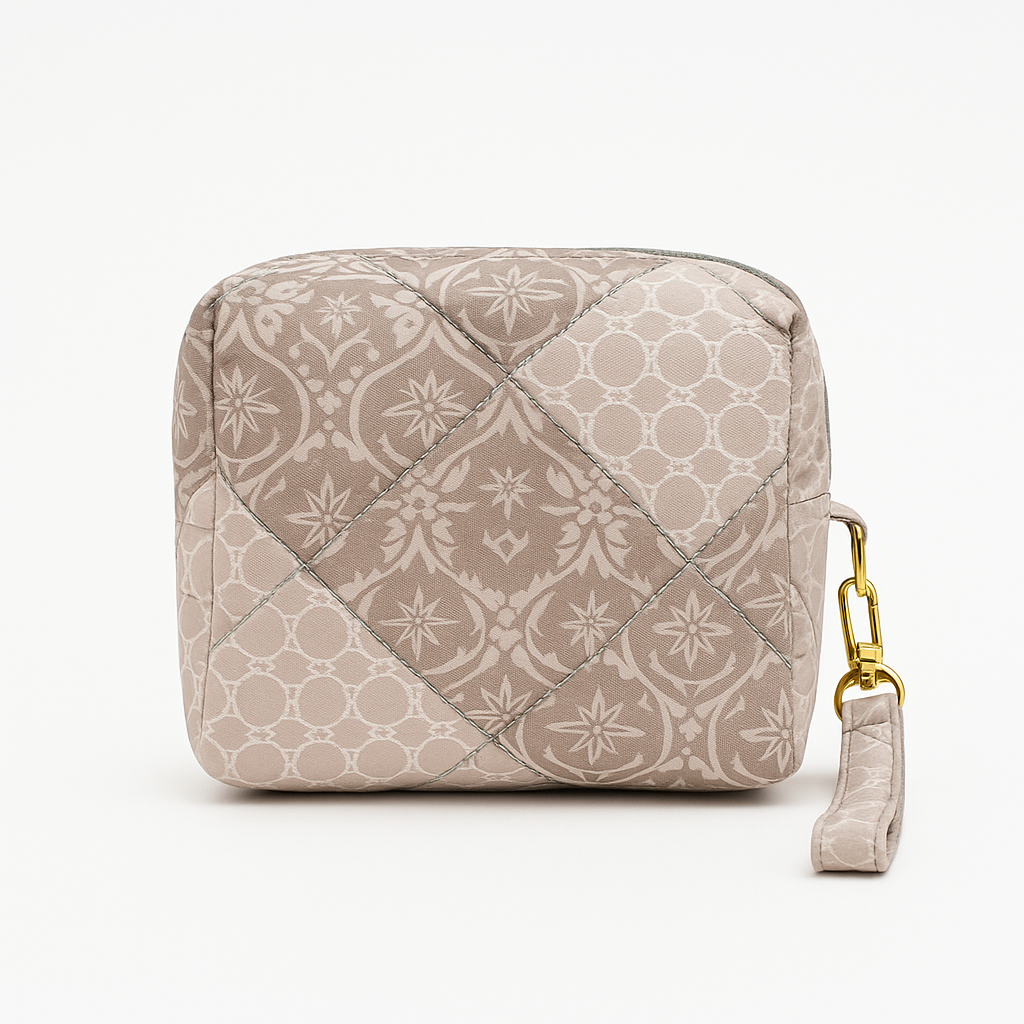
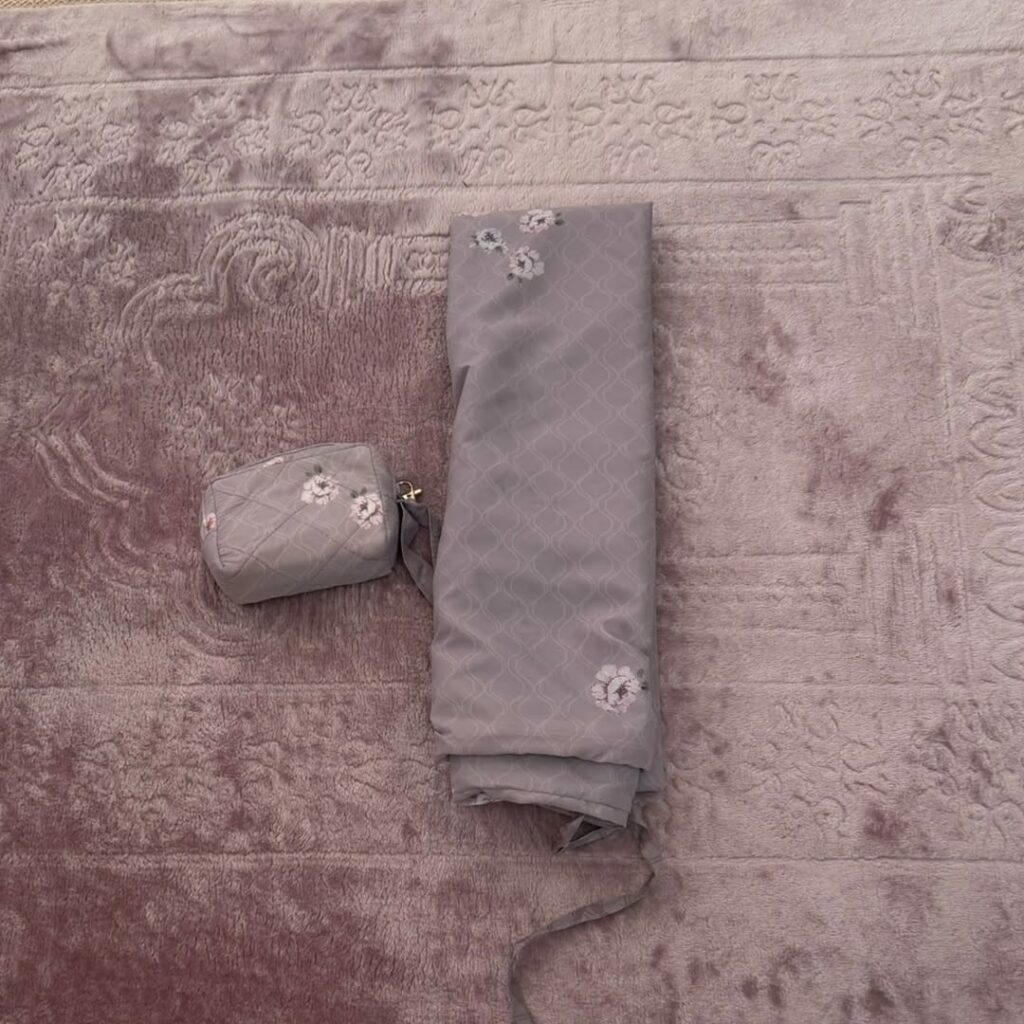
Half the battle with any extra prayer is friction: finding something clean and covering to wear, especially when the decision weighs on you at work or while traveling. That is exactly why we designed our two-piece travel prayer sets — a full-coverage prayer dress that folds into its own matching pouch, so wudu-to-takbir takes two minutes wherever you are. Keep one in your handbag and istikhara never has to wait until you get home.

Tahajjud for Beginners: How to Start Praying the Night Prayer

There is a prayer the Quran describes as a private appointment: “And in part of the night, pray tahajjud as an extra offering for you; it may be that your Lord will raise you to a praised station.” (Surah al-Isra, 17:79). No congregation, no announcement — just you, standing while the city sleeps.

What is tahajjud, exactly?

Tahajjud is voluntary prayer performed at night, ideally after some sleep. It falls under the broader term qiyam al-layl (standing in the night). The Prophet ﷺ said: “The best prayer after the obligatory prayer is the night prayer.” (Sahih Muslim)

When is the best time?

Any time between Isha and Fajr counts, but the most beloved window is the last third of the night, when — as the Prophet ﷺ told us — our Lord descends in a manner befitting His majesty and asks: “Who is calling upon Me, that I may answer him? Who is asking of Me, that I may give him?” (al-Bukhari, Muslim)

To find it: divide the time between Maghrib and Fajr into three. In a Gulf summer, with Fajr around 4 a.m., the last third begins roughly around 1:30 a.m. — which sounds heroic until you realise even 20 minutes before your suhoor-time alarm counts fully.

How many rak’ahs?

There is no minimum. The Prophet ﷺ most often prayed eleven rak’ahs: pairs of two, closed with witr (Aisha, may Allah be pleased with her, in al-Bukhari). A beginner’s version that takes ten minutes:

  1. Two light rak’ahs to open
  2. Two rak’ahs with longer recitation — take your time in sujud, this is where dua pours out
  3. One rak’ah of witr (if you have not prayed witr after Isha)

Five rak’ahs, and you have prayed tahajjud. Quality of presence beats quantity every time.

How to actually wake up (the honest section)

  • Sleep with the intention. The Prophet ﷺ taught that whoever goes to bed intending to pray at night and sleeps through has the reward written anyway (an-Nasa’i). Intention costs nothing and changes everything.
  • Prepare the runway. Wudu before bed. Prayer mat unrolled, prayer dress laid out beside it. At 2 a.m., every removed obstacle counts double — if you have to search the wardrobe, you will choose the pillow.
  • Start with two nights a week. Consistency converts; ambition burns out. “The most beloved deeds to Allah are the most consistent, even if small.” (al-Bukhari)
  • Put the alarm across the room, labelled with the hadith about the last third. Argue with that.
  • Guard the evening. The real battle for tahajjud is fought at 11 p.m. against the phone screen.

What to ask for

Everything. This is the hour of Zakariyya’s dua and of hearts mended. Keep a note in your phone of the people who asked you to pray for them — the night prayer is when you honour it. And if a decision weighs on you, pair the night with the prayer of istikhara.

Begin tonight, small. Two rak’ahs in the dark, in a garment kept just for Him — and see what it does to your days.

How to Stay Consistent with Your Five Daily Prayers (Even on Busy Days)

Nobody plans to miss Asr. It happens in the gap between a meeting that ran long and the school pickup, in the “I’ll pray when I get home” that meets Maghrib on the highway. Consistency in salah is rarely about faith — it is about systems. Here are the ones that work.

1. Anchor prayers to events, not clock times

Habits attach best to things you already do. Fajr anchors to waking, Dhuhr to lunch, Asr to the afternoon coffee, Maghrib to arriving home, Isha to winding down. When the anchor happens, the prayer happens — before the anchor’s own activity. Pray Dhuhr then eat, and lunch becomes your reminder forever.

2. Shrink the setup to under two minutes

Every step between intention and takbir is a place to lose the prayer. Audit your friction:

  • At home: a fixed prayer corner — mat always down, prayer dress on a hook beside it. If you have to assemble your prayer space each time, you will negotiate with yourself each time.
  • At work: a second prayer set that lives in your desk drawer or locker. Most Gulf offices have a prayer room; the set that is already there is the one that gets used.
  • In the car / handbag: a fold-away travel set means a mall prayer room, a petrol station musalla or a friend’s house are all fully equipped stops. Two sets cross our free-delivery threshold — one for the bag, one for the drawer.

3. Use the adhan, not a to-do list

Set a prayer-times app to the actual adhan sound with your city’s timings, and treat it like a meeting invite from the most important One on your calendar. Silent notifications are designed to be ignored; the adhan is designed not to be.

4. Pray at the beginning of the time

When asked which deed is most beloved to Allah, the Prophet ﷺ answered: “Prayer at its (earliest) time.” (al-Bukhari, Muslim). Practically, the start of the window is when your energy and schedule are still yours. Delay hands your prayer to traffic, guests and fatigue.

5. Never skip twice

Borrowed from habit science, perfectly Islamic in spirit: if a prayer is missed, make it up immediately and guard the very next one. One miss is an accident; two is the beginning of a pattern. And leave guilt out of it — “the most beloved deeds to Allah are the most consistent, even if small” (al-Bukhari). Return, quietly, every time.

6. Recruit your people

Pray Maghrib together as a household, even occasionally — children who see prayer as a family rhythm inherit the rhythm. A friend who texts “prayed?” during a busy season is worth ten reminder apps. This is community as infrastructure.

7. Protect Fajr, and the day follows

Fajr is the keystone: win it and the other four line up with strange ease. Sleep with wudu, keep your prayer clothes within arm’s reach of the bed, and put the phone to charge across the room. If you want to go further, tahajjud is closer than you think — see our beginner’s guide to the night prayer.

Five daily meetings, kept for a lifetime, are built out of small mercies you arrange for your future self. Arrange them today — starting with the simplest: something beautiful and ready to pray in, wherever the adhan finds you.