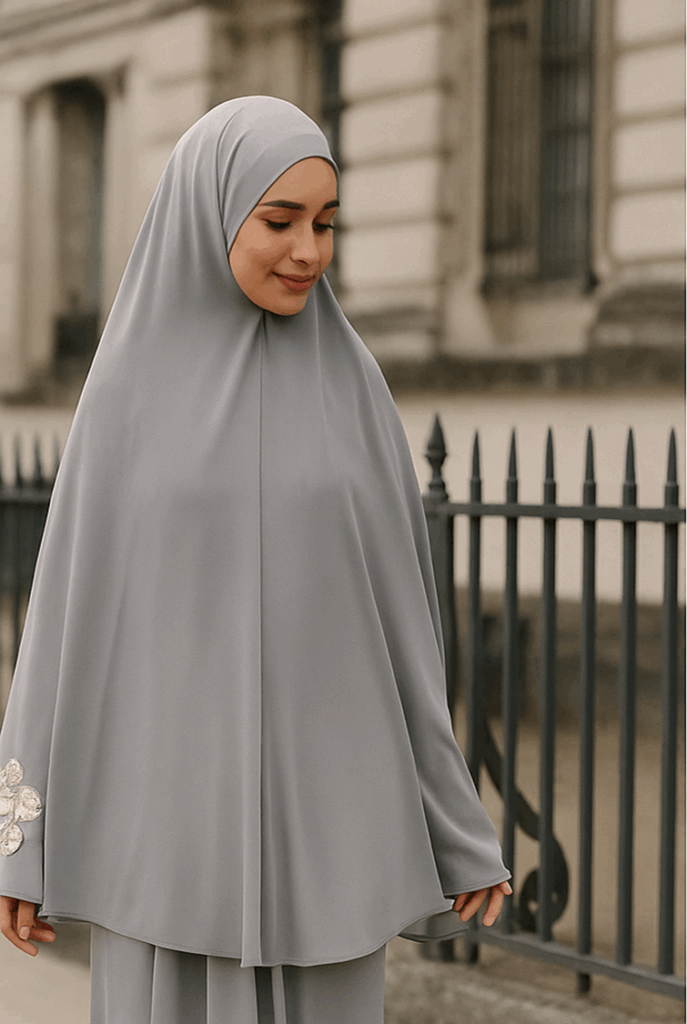
The first week back is the one everybody dresses for. By the third, the real problem has shown itself: a campus in the Gulf in September is a series of temperature shocks — forty-one degrees crossing the car park, nineteen degrees in a lecture theatre with the air conditioning set to arctic, and a prayer room somewhere in between.
Dressing modestly is not the difficulty. Dressing modestly for four different climates in one day, in clothes you can also pray in, is. Here is how to build a term’s worth of outfits around that, without buying a new wardrobe.
Start with the layer that never comes off
Everything works better if the bottom layer is right. A long, loose jersey dress or a wide-leg trouser with a long tunic gives you full coverage before a single accessory is added — which means whatever happens to the outer layer during the day, you are still covered.
Look for viscose, modal, linen blends and lightweight crepe. Avoid polyester that does not breathe: it is the reason a five-minute walk feels like fifteen. We went through the fabric question properly in prayer dress fabric in Gulf heat, and the same rules apply to everyday campus clothes.
Then add the layer you take on and off all day
This is the piece that makes Gulf September wearable: an open abaya, a long cardigan, a light kimono or an unstructured blazer. Outside, it stays open and moves with the air. Inside a cold lecture hall, it closes and becomes the warm layer you would otherwise be shivering without.
Two of these, in colours that go with everything you own, will carry an entire term. Keep one in a locker or the boot of the car if you can — the day you forget it is always the day the air conditioning is at its most enthusiastic.
Shoes decide more than you think
Campus means distance. Between a car park, three buildings and a prayer room, you will walk further on an average Tuesday than you did all summer.
- Slip-on and closed beats laces: wudu is much easier when shoes come off without sitting down.
- Leather or canvas loafers, clean trainers, or a low block heel for presentation days. Flat sandals are lovely until the third corridor.
- Whatever you choose, wear socks. It makes wudu in a shared bathroom far simpler, and it means the prayer room floor is never a consideration.
The colours that survive the heat
September light in the Gulf is harsh and unforgiving, and mid-tones handle it better than either extreme. Sand, olive, dusty rose, deep teal, navy, warm greys — they hide dust, they do not go translucent in direct sun the way white sometimes does, and they photograph well in the flat midday light of a courtyard.
Black still works, and always will, but a full black outfit outdoors at 1pm is a decision your body notices. Save it for the day the timetable keeps you inside.
Dress for the prayer room, not just the classroom
This is the part most campus style guides miss entirely. The outfit that looks right for a seminar sometimes makes salah awkward: a fitted sleeve that rides up in sujud, a hem that sits wrong when you kneel, a scarf that needs re-pinning afterwards.
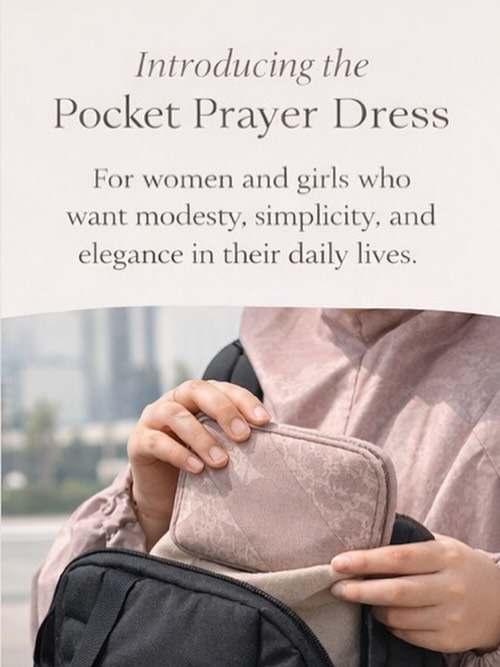
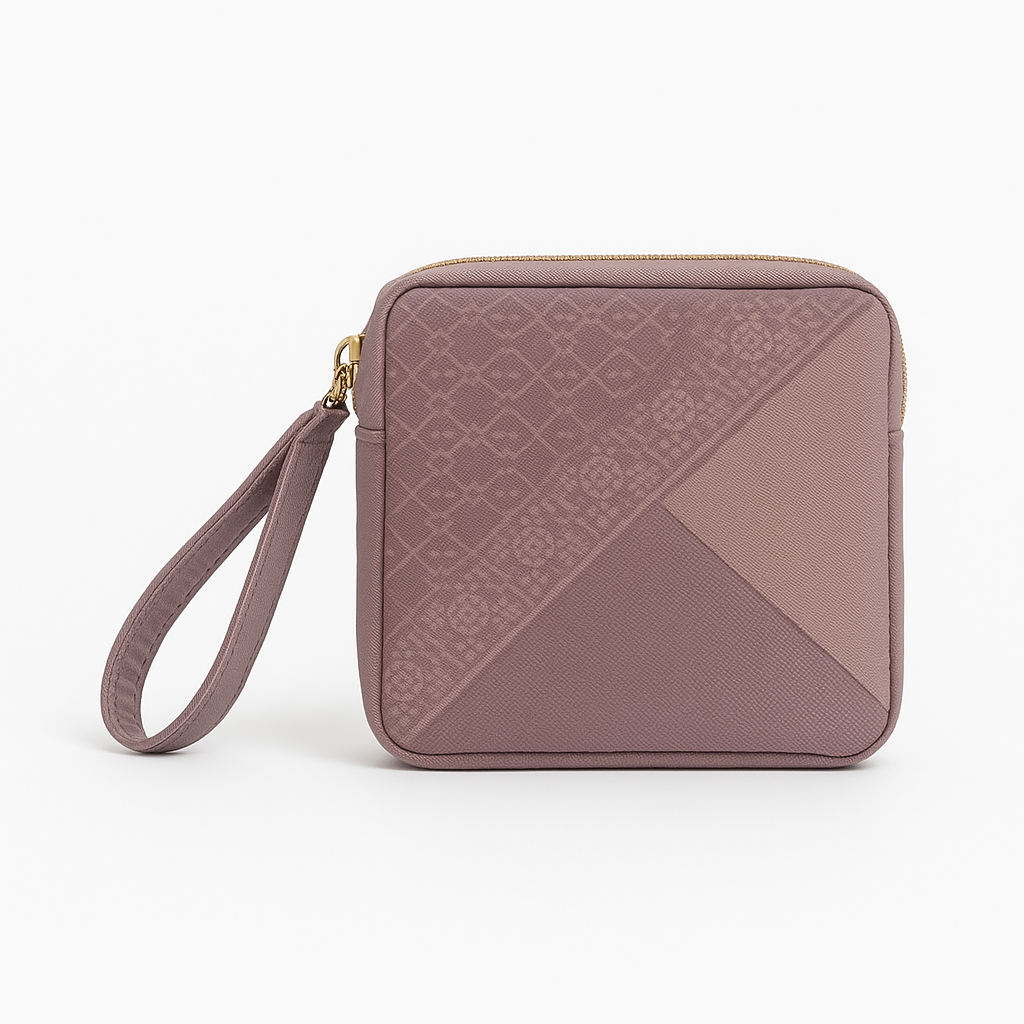
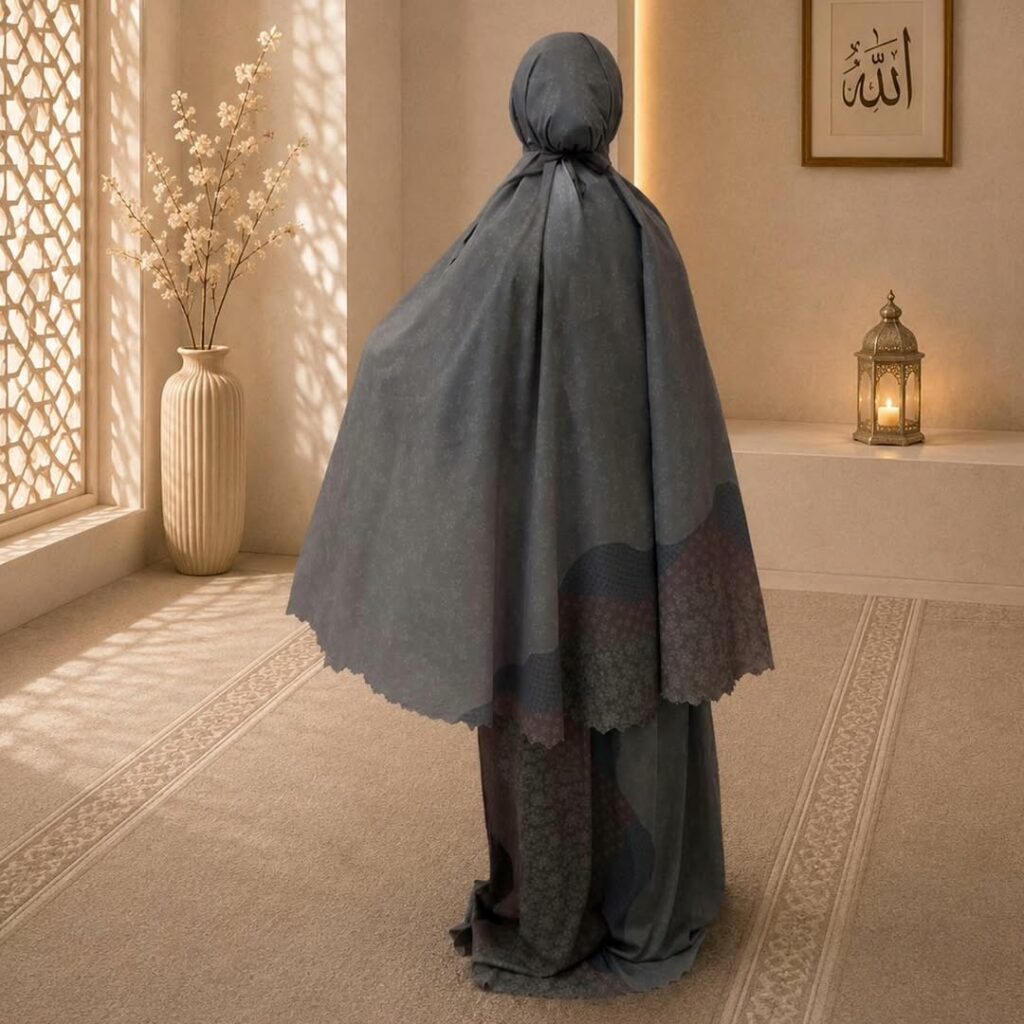
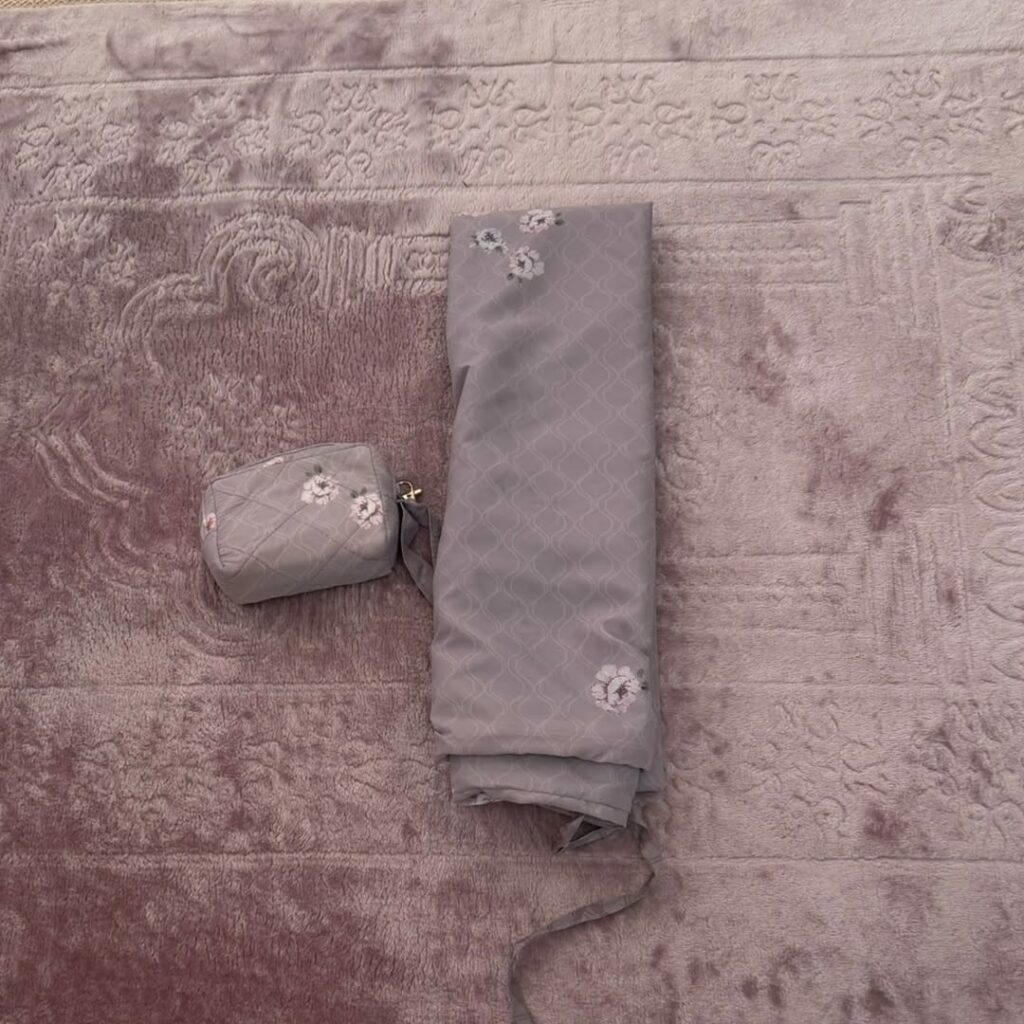
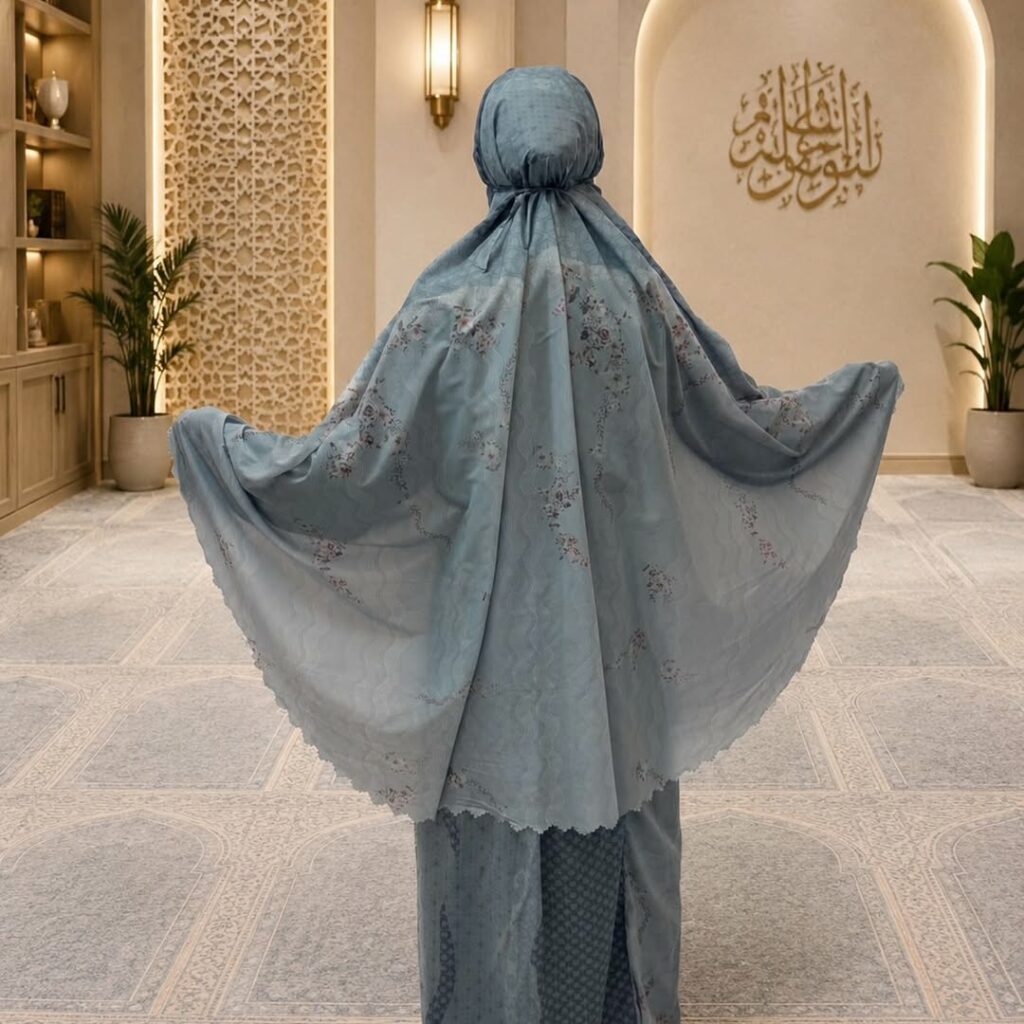
The simplest fix is to stop asking your outfit to do both jobs. A folded two-piece prayer set in your bag goes on over whatever you are wearing in about thirty seconds, covers everything properly, and comes off just as fast — and it means you can dress for the day you are actually having. Ours folds into its own pouch, small enough to sit next to a laptop. For the fuller comparison with an abaya, see prayer dress vs abaya.
Five outfits that cover a week
- Sunday, back into it: jersey maxi dress, open linen abaya, loafers, plain scarf. Nothing to think about on the hardest morning of the week.
- Monday, long day: wide-leg trousers, long tunic, cardigan, trainers. The most walkable outfit you own.
- Tuesday, presentation: crepe midi dress, unstructured blazer, low block heel, silk-feel scarf in a mid-tone.
- Wednesday, library: soft knit tunic, straight trousers, slip-ons. Warm enough for four hours of air conditioning.
- Thursday, out afterwards: the Sunday dress with a better scarf, a bag that is not the rucksack, and the same shoes. Nobody notices the repeat; everybody notices a rushed outfit.
Five outfits, roughly eight pieces. The discipline is in the colour palette, not the quantity — if everything works with everything, mornings stop being a decision.
What to keep in the bag
A spare scarf, a spare pair of socks, hijab pins in a small tin, and the prayer pouch that lives there permanently. That is the whole kit, and it weighs less than a full water bottle. The complete list is in back-to-school bag essentials for Muslim women.
Frequently asked questions
How do I stay modest without overheating in September?
Loose beats light. A wide, flowing cut in a breathable natural fibre is cooler than a fitted garment in a technical fabric, because it moves air. Coverage is not the thing making you hot — a tight polyester sleeve is.
Can I wear jeans on a Gulf campus?
On most campuses yes, with a long tunic or a longline shirt over them. Check your institution’s dress code once at the start of term; several in the region are more specific than students expect, and it is a five-minute read that saves an awkward conversation.
Do I need a separate outfit just for praying?
Not strictly — you need clean clothing and proper coverage. But a dedicated set removes the daily calculation and takes thirty seconds to put on, which in practice is the difference between Dhuhr at 12:40 and Dhuhr at 3pm.
Read next: what to wear in Dubai — the same principles, off campus.
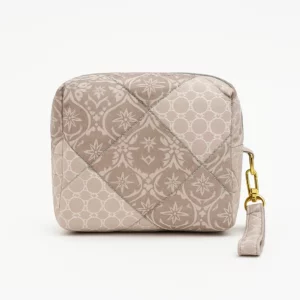
Travel Prayer Set — folds into its own pouch
A lightweight two-piece prayer outfit, cut from a limited length of printed fabric — no two sets are alike.
95 AED · free delivery everywhere in the UAE · 14-day returns